After USAID cuts, Trump admin. directs $2B to World Vision, Samaritan’s Purse, other Christian humanitarian groups
(Republished from The Christian Post – christianpost.com)
The Trump administration is giving nearly $2 billion to religious and community organizations working in global health and disaster relief overseas, the largest such allocation in more than two decades.
The State Department announced(opens in new tab) the funding earlier this month, naming U.S.-based Christian humanitarian groups World Vision(opens in new tab), Compassion International and Samaritan’s Purse among the recipients.
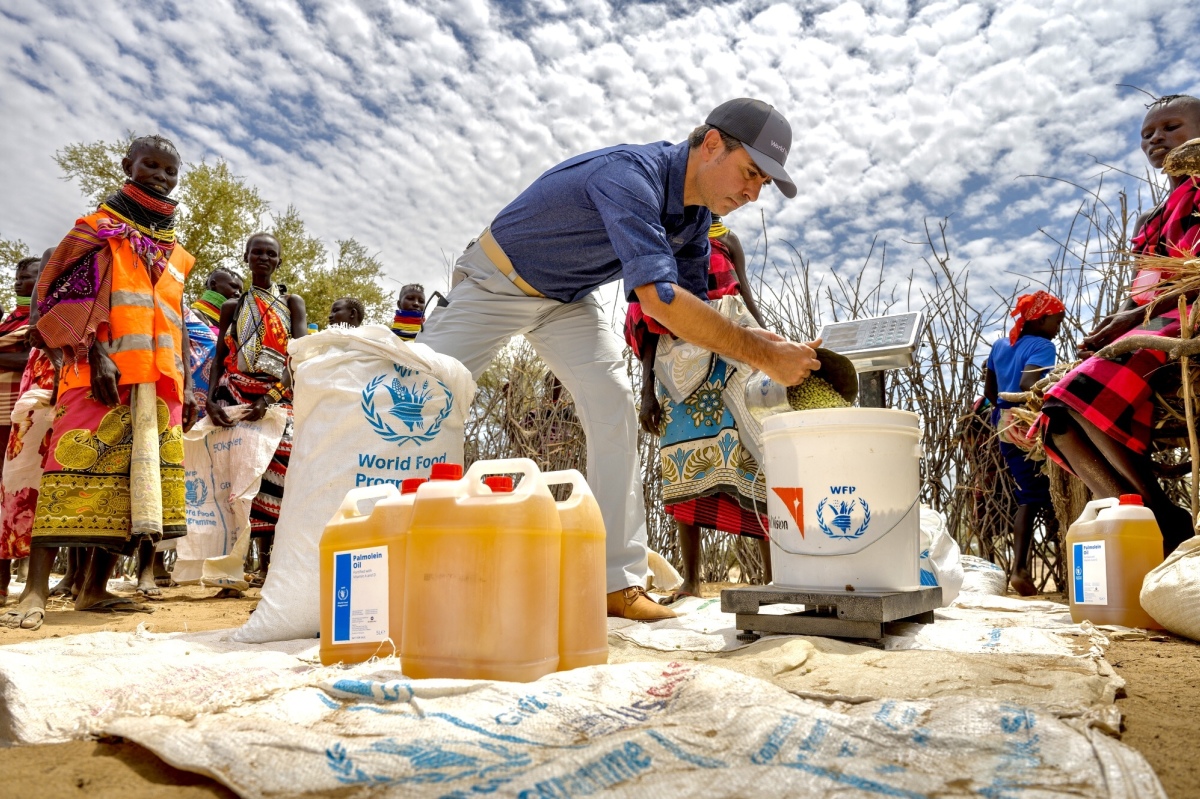
World Vision and a coalition of local partners will receive as much as $850 million over five years, funding permitting, under a Faith and Community Initiative award meant to upgrade more than 2,500 hospitals, clinics and community hubs in 17 countries, and to pay, train and supply over 30,000 community health workers.
Another $570 million for faith and community clinics will move through government agreements tied to the same strategy.
In many countries that get U.S. aid, faith-based providers run 40% or more of the health facilities, and the department says these groups will now put at least 80% of their money into direct patient care, well above the 35% to 40% typical of past awards.
Separately, the department is sending $538 million to Samaritan’s Purse and a consortium that World Vision and Compassion International co-lead, for disaster response meant to reach 7 million people in 16 emergencies. Over $100 million of that can be spent right away, with the rest going toward readiness work in 23 countries prone to disaster.
In June, Samaritan’s Purse, active in more than 100 countries, set up a field hospital in Venezuela after the earthquakes there.
Last year, World Vision responded to 104 disasters, reaching 35.6 million people.
World Vision also said it separately received $238 million from the department’s Bureau of Disaster and Humanitarian Response for food, water and shelter in more than 30 countries.
The funding follows deep cuts to the U.S. Agency for International Development, or USAID, and is part of the health strategy the department put out last September, National Catholic Reporter(opens in new tab)noted, and said a chart in the roughly 40-page policy document put faith-based providers above half of health delivery capacity in Uganda and Eswatini, and above 40 percent in several other countries.
None of the groups named in the humanitarian awards is a non-Christian American organization.
The American Jewish World Service, or AJWS, was left out of the consortium. Its president, Tawanda Mutasah, said in a statement that the group learned of the funding only after the press release went out, adding, “we were not consulted.”
Mutasah also argued that the Trump administration’s expanded restrictions on funding abortions will keep the aid from reaching people who need it most. The rule denies U.S. money to foreign groups that perform abortions or refer patients to abortion providers or lobby for legal abortion.
The atheist group Freedom From Religion Foundation, or FFRF, branded the plan “outrageous.” Co-President Annie Laurie Gaylor argued that the administration is rebuilding foreign aid around religion rather than need.
Supporters pushed back, however.
The National Association of Evangelicals welcomed the move, and its president, Walter Kim, said faith groups pair local trust with resources government alone cannot supply. The group’s aid arm, World Relief, previously had contracts canceled amid the USAID cuts and now sits inside the new consortium.
Bread for the World’s interim leader, Heather Taylor, said the consortiums draw on decades of field experience but that overall aid levels still fall short. Catholic Relief Services and Adventist Relief and Development Agency International are also named as Faith and Community Initiative partners.
Samaritan’s Purse worked closely with USAID for years before its closure, though its president, Franklin Graham, said government money has always covered only a small share of the group’s budget, and that it doesn’t require faith from those it helps, even as staff are free to discuss their own beliefs.
Graham said the new funds will back field hospitals already running in Venezuela and the Democratic Republic of Congo, where teams are treating Ebola patients, plus a supply airlift to Colombia and continued relief work in Sudan, where the group has operated for more than 30 years.
Comments